Consumer research in China starts with the right participants
We hand-pick and personally screen participants, requesting relevant evidence to verify their experience. From connected-EV owners to smart-device users and AI early adopters, we recruit participants who match your research brief.
No generic panels No synthetic AI participants Only real, verified people
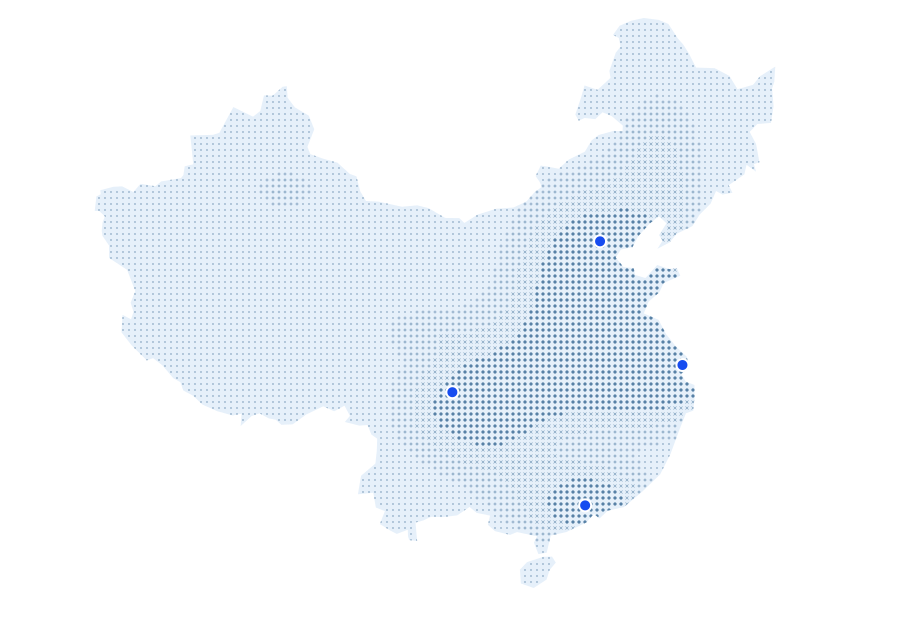
Our user research recruitment network covers China from north to south and east to west.
Hard-to-reach consumers. Carefully screened.
From Shanghai, we recruit consumers across China for studies on emerging technologies and behaviours. We help you understand what people believe, how they live and why they change their habits. Tell us whose perspective you need, and we’ll find and screen people with that experience.
Consumer recruitment in China
From your brief to the right households
First-time owner
Shanghai · Sets up and runs the robot
Pet household
Chengdu · Runs it daily for pet hair
Occasional household user
Hangzhou · A family member usually runs it
Long-time owner
Guangzhou · Has used two models
Scheduled-cleaning user
Suzhou · Manages room maps and schedules
Define who to recruit in China
We agree on cities, household profiles and usage criteria before recruitment starts.
Choose the cities that matter to your study
Our Shanghai team works with you to decide where to recruit and which experiences qualify someone to take part.
If you want to understand how people discover a new brand, we might look for shoppers who tried it in a store and others who first saw it online. That distinction helps us decide which cities and shoppers to include.
Ask about the last time it happened
We build screening questions around decisions people in China can describe in their own words.
For a recent purchase, we might ask where they first heard about it, what they compared on JD or Tmall and what finally persuaded them to buy. For a gaming study, we might ask whom they played with last week and on which platform.
Reach people through local communities
We choose recruitment channels around the audience and the city.
A WeChat running group can help us reach regular runners. An owner community can help us find drivers with a particular model. We also draw on our participant network and screen every referral against your brief.
Check the experience behind the answer
We agree on what would confirm the behaviour your study depends on.
A redacted order record can confirm a recent purchase. If you need someone who uses a service every week, an activity history is more useful. We ask candidates to hide names, addresses and unrelated details.
Follow up in a screening conversation
Our team talks through a specific experience with each candidate before confirming a place.
Someone who recommended a product to their parents may have researched the options, paid for it or used it themselves. A follow-up conversation establishes which part of the decision they can describe firsthand.
Build the group around your research question
We review the shortlist across cities, behaviours and levels of experience.
For a study comparing first-time buyers with repeat buyers, we check the balance within each target city. That gives your team both perspectives in the places you want to understand.
Build a stronger research brief
Before recruitment begins, make sure you’re asking the right questions. Get practical guidance from our team on sharpening your criteria and challenging assumptions about who belongs in your study.
How to Segment Participants for User Research in China
Why city tier, age and income alone are not enough to recruit the right participants for user research in China

Understand what happens when people use your product.
See how Recap connects real users’ experiences, AI-assisted analysis and original research evidence.